

Anker 767 vs EcoFlow Delta 2 Max – Power Giants Face Off

Portable power stations have become essential for travel, camping, and emergency backup. The Anker 767 and EcoFlow Delta 2 Max stand at the top of the list, offering serious wattage, long battery life, and advanced charging features.
Each model brings its own strengths Anker focuses on long-lasting battery chemistry and quiet operation, while EcoFlow pushes speed and smart energy management.
Both aim to deliver dependable power for heavy-duty users, from RV adventurers to home backup seekers. This comparison dives into their design, battery capacity, recharge times, and usability to help identify the better performer.
By the end, the differences in portability, power efficiency, and real-world convenience become clear. Whether the goal is to run tools, charge multiple devices, or prepare for outages, this face-off reveals which powerhouse deserves the top spot.
Anker 767 vs EcoFlow Delta 2 Max
Two powerful solar generators stand out in today’s portable power market: the Anker 767 and the EcoFlow Delta 2 Max. Both are designed for camping, home backup, and off-grid living.
They deliver strong power, long battery life, and smart charging options. But which one gives better value for your needs? Let’s take a deep look at each.
Anker 767 Portable Power Station
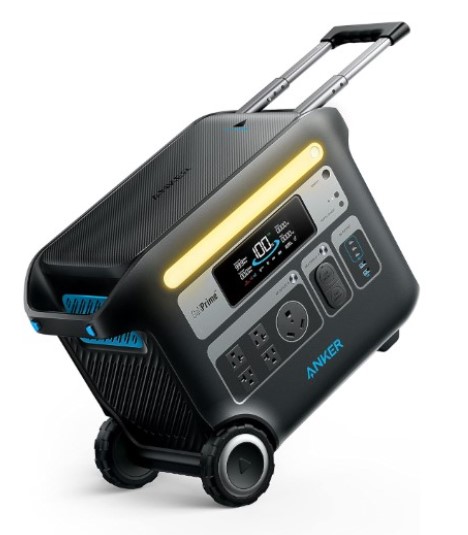
Product Details
Brand: Anker
Wattage: 2400 watts
Fuel Type: Electric
Power Source: Battery Powered, Solar Powered
Weight: 67.3 Pounds
Voltage: 120 Volts
Special Feature: Portable
Warranty: 5 Years
This model, also known as the Anker SOLIX F2000, offers strong performance and long-term durability. It uses InfiniPower technology and GaNPrime engineering for better efficiency and faster charging. Built to last over 10 years, it suits both home and outdoor use.
Features
The Anker 767 has a 2048Wh capacity and delivers up to 2400W of continuous power. With SurgePad technology, it can handle devices up to 3600W for short bursts. The design supports up to 12 devices at the same time, including:
- 4 AC ports
- 3 USB-C ports
- 2 USB-A ports
- 2 car outlets
- 1 RV port
It supports solar input for off-grid recharging and includes a car and solar charging cable. Using HyperFlash technology, it recharges from 0% to 80% in about 1.4 hours.
What Is the Good?
The Anker 767 is built to last. Its InfiniPower battery system ensures a decade of daily use. The 5-year full-device warranty adds peace of mind. Its 2400W output supports refrigerators, tools, and electric stoves easily. The wide port selection fits every need, from laptops to RVs.
The fast-charging speed is another major advantage. In emergencies or long trips, you can get back to full charge quickly. It’s also durable with solid handles and wheels for portability.
What Is the Bad?
The main drawback is the weight. At over 67 pounds, it’s not easy to lift or move often. The large body can also take up space during travel. Another small issue is that it costs more than smaller models. Also, though solar charging works well, full solar input still takes many hours.
Overall Opinion
The Anker 767 is strong, stable, and reliable. It suits users who need large, steady power for tools, RV trips, or blackouts. The fast recharge and long lifespan make it a good investment. It’s not light, but its build and warranty reflect quality and confidence.
EcoFlow Delta 2 Max Solar Generator
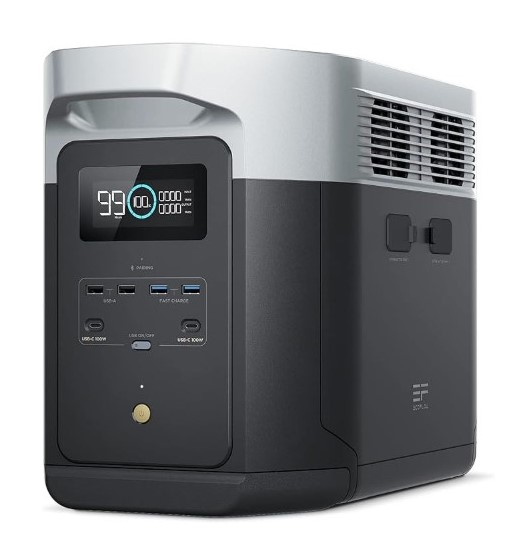
Product Details
Brand: EF EcoFlow
Wattage: 2048 Watt-hours
Fuel Type: Electric
Power Source: Solar Powered
Weight: 23 Kilograms (50.7 Pounds)
Voltage: 120 Volts
Special Feature: Expandable Capacity, Quiet Charging
Warranty: 5 Years
The EcoFlow Delta 2 Max is known for its expandable design and fast charging speed. It uses LFP battery technology, which improves battery life and safety. Designed for both home and travel, it offers quiet operation and wide device support.
Features
The Delta 2 Max comes with 2048Wh base capacity and supports expansion up to 6kWh using extra batteries. It can power 99% of home appliances up to 2400W, or up to 3400W with X-Boost mode.
It supports dual charging AC and solar at once for super-fast recharge. It charges from 0% to 80% in only 43 minutes using both AC and solar.
Noise is low, only 30 dB, which makes it perfect for night use. With the EcoFlow app, you can control output, monitor battery level, and set custom charging limits. Ports include 15 outlets, covering USB, DC, and AC options for multiple devices.
What Is the Good?
The Delta 2 Max offers one of the fastest charging speeds in this category. The LFP battery ensures over 3000 cycles, meaning it lasts much longer than many lithium-ion models. The quiet charging makes it great for home or indoor use.
Its expandable capacity is another big plus. You can connect extra batteries and triple the power for longer trips or extended blackouts. It’s also lighter and easier to move than the Anker 767.
What Is the Bad?
The price rises when you buy expansion batteries. The AUX connection disables noise cancellation mode. While it supports many devices, the build may feel less rugged than Anker’s. Also, there is no built-in wheel system, so carrying it can be tiring over distance. The app setup can take time for beginners.
Overall Opinion
The EcoFlow Delta 2 Max fits people who need flexibility, fast charging, and quiet operation. It works well for both home backup and outdoor use. Its smart design and strong LFP battery make it dependable. It feels more modern and user-friendly, especially with the app controls.
Detailed Comparison for Anker 767 vs EcoFlow Delta 2 Max
Both the Anker 767 and EcoFlow Delta 2 Max offer similar base capacities of around 2kWh and deliver up to 2400W power output. The Anker 767 wins in ruggedness and build quality.
Its handles, wheels, and thick shell make it strong for travel or outdoor work. The EcoFlow model wins in speed and technology. It recharges faster just 43 minutes to 80% and the app adds more control.
The Delta 2 Max is also quieter, at 30 dB, while the Anker produces more fan noise during charging. Battery type also differs: Anker uses InfiniPower with GaNPrime, while EcoFlow uses LFP, which gives higher cycle life.
For lifespan, EcoFlow has an edge with 3000 cycles. For durability and protection, Anker’s 5-year warranty and tough frame offer security.
If portability matters, Delta 2 Max is lighter. If power and rugged design matter, Anker 767 feels stronger. Both handle multiple devices easily and provide great off-grid performance.
FAQs
1. Which has faster charging?
EcoFlow Delta 2 Max charges faster—80% in 43 minutes using dual charging.
2. Which one lasts longer?
Both offer 10-year lifespan claims, but the Delta 2 Max’s LFP battery gives higher cycle life.
3. Can both charge with solar panels?
Yes, both support solar input, but EcoFlow supports higher solar wattage for quicker recharging.
4. Which is better for travel?
EcoFlow Delta 2 Max is lighter and quieter, ideal for travel or camping. Anker 767 is heavier but more durable for tough conditions.
5. Do they support high-power tools?
Yes, both can power tools, kitchen appliances, or home electronics up to 2400W or more using boost modes.
Conclusion
Both the Anker 767 and EcoFlow Delta 2 Max are powerful, long-lasting solar generators. The Anker 767 stands out for its strong build, long warranty, and solid performance. The EcoFlow Delta 2 Max shines in fast charging, quiet operation, and expandable design.
For long trips or quiet backup power, the EcoFlow Delta 2 Max feels more convenient. For heavy use, durability, and all-in-one reliability, the Anker 767 remains a top pick. Both serve as excellent portable power stations, each suited for different needs and lifestyles.