

Anker Q30 vs Q35 [Which One Deserves a Spot on Your Ears]
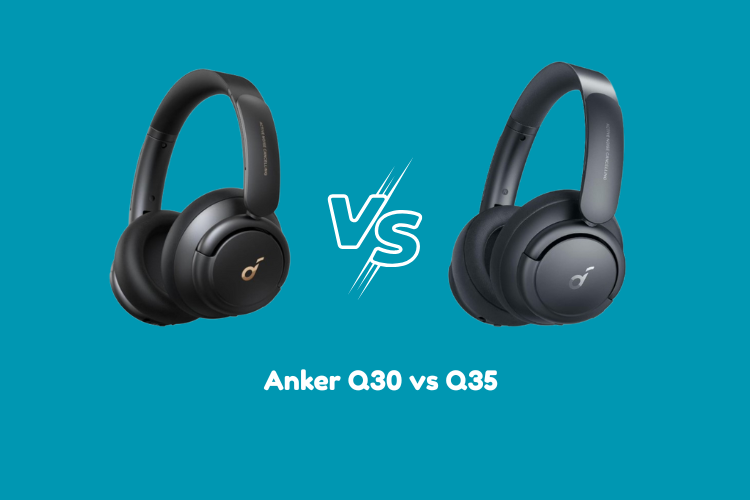
Anker’s Soundcore headphones have gained huge attention for offering premium features without a high price tag. The Life Q30 and Q35 stand out as two of the most popular models among budget-friendly noise-canceling headphones.
Each delivers strong sound quality, comfortable design, and advanced ANC features that rival higher-end brands. Yet, key differences set them apart, from connectivity options to sound tuning and comfort levels. Many users wonder which model gives better overall value.
The Q30 attracts listeners with its affordable performance, while the Q35 brings small upgrades that make daily use smoother and more enjoyable.
Exploring both models side by side reveals which one truly delivers the best listening experience for travel, work, and relaxation. This comparison highlights what makes each headphone special and helps you decide which fits your lifestyle better.
Anker Q30 vs Anker Q35
Many people trust Anker for good sound and long battery life. Their Soundcore series is known for comfort, deep bass, and smart features. Two of their most popular models are the Anker Q30 and Anker Q35.
Both look similar but differ in performance and sound quality. This guide explains each model in detail, then compares them side by side so you can decide which fits your needs better.
Soundcore Life Q30 by Anker

Product Details
Brand: Soundcore
Color: Absolute Black
Ear Placement: Over-Ear
Form Factor: Over-Ear
Impedance: 18 Ohm
The Anker Life Q30 is a powerful headphone made for long listening and deep sound. It uses hybrid active noise cancellation to block outside sounds and give a peaceful experience. The soft earcups make it easy to wear for hours, and the 50-hour battery life makes it one of the longest-lasting headphones in this price range.
Features
1. Hybrid Active Noise Cancellation
The Q30 uses dual microphones that pick up and remove low-frequency sounds. It can cut up to 95% of background noise. Perfect for plane rides, trains, or city walks.
2. Three Noise Control Modes
You get three modes: Transport, Outdoor, and Indoor.
- Transport mode blocks engine noise from planes or buses.
- Outdoor mode reduces wind and traffic noise.
- Indoor mode lowers voices and background office sounds.
Each mode gives better control depending on where you are.
3. High-Resolution Audio
The 40mm silk drivers make the sound smooth and detailed. Bass feels strong but not muddy. Treble stays clear even at higher volume. The music sounds lively and balanced.
4. Long Battery Life
The Q30 lasts up to 50 hours with ANC on, and 70 hours without it. A 5-minute charge gives about 4 hours of playtime. This makes it great for travel or long work days.
5. Comfort and Fit
Soft protein leather earcups and memory foam padding reduce pressure. The headband is light and flexible. You can wear them all day without discomfort.
What is the Good?
- Excellent battery life
- Clear, balanced sound
- Strong noise cancellation for the price
- Very comfortable for long use
- Adjustable ANC modes for different places
What is the Bad?
- No LDAC or advanced wireless codec
- Plastic build feels a bit less premium
- ANC doesn’t work with wired mode
- Slight sound leakage at high volume
Overall Opinion
The Anker Life Q30 offers big value for its price. It’s perfect for everyday listeners who want good ANC, soft earcups, and long battery life. Sound quality is rich, and the fit feels natural. It’s not a luxury headphone, but it delivers more than expected at its cost.
Soundcore Life Q35 by Anker

Product Details
Brand: Soundcore
Color: Black
Ear Placement: Over-Ear
Form Factor: Over-Ear
Noise Control: Active Noise Cancellation
The Anker Life Q35 builds on the Q30 with better sound technology and smarter features. It includes LDAC support, improved noise cancellation, and an auto-pause sensor. The sound quality feels more detailed and refined.
Features
1. Hi-Res and Hi-Res Wireless Sound
The Q35 has upgraded silk-diaphragm drivers that deliver more accurate and wider frequency sounds. It’s both Hi-Res Audio and Hi-Res Audio Wireless certified. You hear fine details that are often lost in regular Bluetooth sound.
2. LDAC Audio Technology
This is a major upgrade. LDAC transmits three times more data than normal Bluetooth. It keeps sound richer and clearer. Music feels closer to studio quality, especially with high-resolution tracks.
3. Multi-Mode Noise Cancellation
The Q35 uses two microphones on each earcup to improve ANC performance. You can switch between Transport, Outdoor, and Indoor modes like the Q30, but with better clarity and smoother transitions. It blocks more high and mid-frequency noises.
4. Comfort and Auto-Pause Feature
The Q35 stays light and comfortable, just like the Q30. It has memory foam earcups and a soft headband. A built-in sensor detects when you remove the headphones and pauses your music automatically. It resumes when you wear them again. Simple, but useful.
5. Connectivity and Battery Life
The Q35 supports Bluetooth 5.0 for strong and quick connections. It also supports NFC pairing for Android users. The battery lasts around 40 hours with ANC, slightly lower than Q30, but the sound quality is superior. It also supports fast charging.
What is the Good?
- Superior sound with LDAC
- Better ANC performance
- Smart auto-pause sensor
- Hi-Res certified sound
- Solid build with soft comfort
What is the Bad?
- Slightly higher price
- Battery life a bit shorter than Q30
- Touch controls could be more responsive
- LDAC support works best only on compatible devices
Overall Opinion
The Anker Life Q35 feels more refined and modern than the Q30. It gives a high-quality listening experience with rich audio and smart features. The LDAC support makes a big difference if your device supports it. For travelers or sound lovers, it’s worth paying a little more.
Detailed Comparison for Anker Q30 vs Q35
| Features | Anker Q30 | Anker Q35 |
|---|---|---|
| Audio Quality | Hi-Res Audio | Hi-Res + Hi-Res Wireless + LDAC |
| Noise Cancellation | Hybrid ANC (3 modes) | Multi-mode ANC (improved) |
| Battery Life | Up to 50 hrs (ANC), 70 hrs (standard) | Up to 40 hrs (ANC) |
| Comfort | Protein leather, memory foam | Memory foam + auto-pause sensor |
| Connectivity | Bluetooth 5.0 | Bluetooth 5.0 + LDAC + NFC |
| Build Quality | Plastic body | More premium finish |
| Price | More affordable | Slightly higher |
| Weight | Lightweight | Lightweight |
| Special Feature | 3 ANC modes | Auto-pause, LDAC audio |
Comparison Paragraph
The Anker Q30 focuses on value and endurance, while the Q35 offers a more advanced experience. The Q30 wins in battery life and affordability. It’s ideal for long travel or casual users.
The Q35, on the other hand, gives richer sound and better ANC. The LDAC codec makes a noticeable difference in sound detail, especially with high-quality music.
Both feel comfortable and durable, but the Q35 adds more premium touches like automatic pause and wireless Hi-Res audio.
If you care more about deep sound quality, Q35 is the right pick. If you want strong performance at a lower cost, Q30 still stands strong.
FAQs
1. Is the Anker Q35 worth the upgrade from Q30?
Yes, if you value better sound detail, LDAC support, and smart features. If your device doesn’t support LDAC, the difference is smaller.
2. Do both support wired listening?
Yes, both can play through AUX cable, but ANC doesn’t work in wired mode on the Q30.
3. Can I use them for phone calls?
Yes. Both have microphones that work well for calls, though Q35 offers clearer voice quality.
4. Which one is better for long trips?
The Q30 lasts longer on battery, so it’s better for long travel without charging.
5. Are both foldable and portable?
Yes. Both fold flat and come with a travel case for easy carrying.
Conclusion
Both the Anker Q30 and Q35 are great headphones for daily listening. The Q30 gives long battery life, comfort, and clear sound for a lower price.
The Q35 takes everything one step higher with LDAC sound, better ANC, and modern features. The final choice depends on your needs battery life and value with Q30, or richer sound and smart features with Q35.