

Anker Solix C1000 vs EcoFlow Delta 2: Battle of Next-Gen Portable Power Stations

Anker and EcoFlow have set new standards for portable energy, and their flagship models—the Anker Solix C1000 and the EcoFlow Delta 2—stand at the forefront of innovation. Both offer fast charging, reliable LiFePO₄ batteries, and versatile outputs, but each caters to different priorities.
The Solix C1000 emphasizes rapid recharge speeds and long-term durability, making it ideal for users who demand consistency and minimal downtime. The Delta 2 focuses on expandability and smart energy control, allowing users to tailor their power setup for camping, home backup, or travel.
Each model supports multiple charging methods, including solar input, ensuring flexibility in any environment. The real distinction lies in their efficiency and user experience—Anker’s precision engineering meets EcoFlow’s adaptability in a contest of endurance and convenience.
This comparison uncovers which unit truly delivers the power, speed, and innovation that modern lifestyles require.
Anker SOLIX C1000 vs EcoFlow DELTA 2: Which Portable Power Station Fits You Best?
Portable power stations have quickly become a part of modern living. People rely on them for backup during power outages, for outdoor camping, or while traveling in RVs. They bring comfort, safety, and independence wherever you go.
Among the most talked-about options are the Anker SOLIX C1000 and the EcoFlow DELTA 2. Both are compact solar generators that promise reliable energy and fast charging, but they do it in different ways.
Choosing between them can be confusing because on paper, they look similar. But small differences in charging speed, expandability, design, and noise level can change the whole experience. This detailed comparison will break down everything you need to know — their features, strengths, downsides, and how each performs in real use.
Anker SOLIX C1000
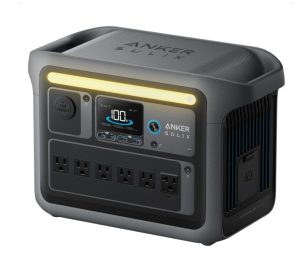
Product Details
The Anker SOLIX C1000 is built for people who need quick, reliable power on the move or during emergencies. It provides 1800W continuous power and 2400W peak output, enough to run refrigerators, coffee makers, lights, or even small power tools.
With a 1056Wh LiFePO₄ battery, this device promises more than 3,000 life cycles — lasting up to 10 years of everyday use. Its weight of around 27.59 pounds makes it portable yet sturdy. The compact body design helps it fit easily into car trunks, storage compartments, or small closets.
The power station also supports both solar and AC charging, giving users flexibility to recharge from the grid or the sun. It’s reliable for home emergencies, outdoor camping, or RV travel.
Features
The SOLIX C1000 is known for its UltraFast charging. It reaches 80% charge in just 43 minutes and 100% in under an hour through a wall outlet. Few competitors can match that speed. You can also manage this feature through the Anker app, where you can control charging levels, view energy statistics, and adjust settings to fit your schedule.
Its SurgePad technology boosts the output to 2400W, allowing almost all household appliances to run smoothly. The power station includes 11 ports — a mix of AC outlets, USB-A, USB-C, and DC ports — so multiple devices can charge at once.
For those who want greener energy, the SOLIX C1000 supports 600W solar input, reaching a full charge in around 1.8 hours under good sunlight. The LiFePO₄ battery technology ensures better heat resistance, longer life, and safer operation. This makes it ideal for warm outdoor environments or continuous daily use.
The device is about 15% smaller than other 1kWh units, which means easier transport. Its design balances strength and portability, appealing to campers, homeowners, and travelers alike.
What Is the Good?
-
Fastest charging in its class. Reaches 80% in under an hour, saving time when power is low.
-
Long battery life. Up to 3,000 cycles over 10 years means consistent performance for years.
-
High output. The 1800W continuous and 2400W surge can handle most home appliances.
-
App control. The Anker app allows easy customization and live power tracking.
-
Compact and travel-friendly. Smaller size makes it easier to carry and store.
-
Quiet and clean energy. Perfect for homes, tents, or RVs without loud engine noise.
What Is the Bad?
-
Limited expandability. Battery capacity is not as easily expandable as some competitors.
-
No 240V support. Suitable for regular home devices but not for heavy 240V tools.
-
Price. Costs more than a few entry-level models with similar wattage.
-
Limited solar input compared to larger stations. 600W is decent, but not ideal for long off-grid use.
Overall Opinion
The Anker SOLIX C1000 stands out for its charging speed, build quality, and user-friendly features. It fits people who want reliable short-term backup or quick outdoor power. It’s perfect for families, campers, or digital nomads who value convenience and safety. Its long lifespan and smooth app integration make it a dependable choice for everyday use.
EcoFlow DELTA 2
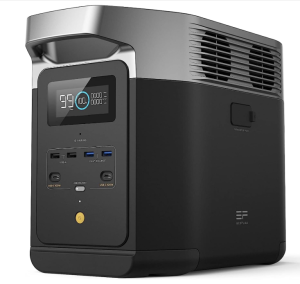
Product Details
The EcoFlow DELTA 2 is another high-performing portable power station that combines strength, flexibility, and smart energy control. It offers 1800W of continuous power, the same as the Anker model, but it shines in its ability to expand capacity up to 3kWh with an additional battery.
Its 1024Wh LiFePO₄ battery provides over 3,000 charge cycles, ensuring long-term durability and value. The device weighs 27 pounds, which is slightly lighter than the SOLIX C1000, making it easier to move around. It has 15 outlets, meaning users can power more devices at once — laptops, phones, kitchen gadgets, small fridges, and more.
Features
The DELTA 2 is famous for its ultra-fast charging system. It can recharge from 0 to 80% in just 50 minutes and reach full power in 80 minutes. This is about the same speed as the Anker SOLIX C1000, keeping both nearly equal in charging performance.
Its expandability gives it a strong advantage. Users can connect an extra battery or the EcoFlow Smart Generator to raise total capacity from 1kWh to 3kWh, extending backup time for home use or long camping trips.
The DELTA 2 also supports up to 500W of solar charging, offering a renewable energy option when off-grid. It runs quietly, efficiently, and can power up to 90% of household appliances.
EcoFlow’s app integration lets you check charging progress, control ports, and manage energy settings from your phone. Its modern battery management system ensures safety by controlling voltage, temperature, and current in real time.
What Is the Good?
-
Expandable battery system. Grows from 1kWh to 3kWh as your needs increase.
-
Fast charging time. Reaches 80% in just 50 minutes using a wall outlet.
-
Lightweight and portable. Slightly lighter than Anker’s model for easier handling.
-
15 total outlets. More ways to power multiple devices at once.
-
Durable LiFePO₄ battery. Lasts for over 3,000 cycles and stays stable for years.
-
Great for green power. Accepts up to 500W solar input for sustainable use.
What Is the Bad?
-
Fan noise. The cooling fan can get noticeable under heavy load.
-
Limited power surge. Does not match the 2400W peak output of the Anker model.
-
Slightly slower solar charging. Takes longer under sunlight than the SOLIX C1000.
-
Extra battery adds cost. Expanding capacity requires a separate purchase.
Overall Opinion
The EcoFlow DELTA 2 is flexible, expandable, and reliable for daily and emergency use. It’s best for people who want a system that grows over time — from small tasks to full home backup. The wide range of ports and smooth operation make it an all-rounder for families, RV travelers, and off-grid users who need both power and flexibility.
Detailed Comparison OF Anker Solix C1000 VS EcoFlow Delta 2
Both power stations share similar wattage, battery chemistry, and fast-charging abilities. The main differences lie in expandability, solar capacity, and portability. The Anker SOLIX C1000 focuses on fast charging and portability.
It’s a great pick for people who move around often or need quick recharging. Its smaller size and higher surge power give it an edge for short, heavy tasks. The EcoFlow DELTA 2, on the other hand, emphasizes long-term flexibility.
It can grow from 1kWh to 3kWh by adding another battery, turning it into a semi-permanent backup system. This makes it better for home use and longer outages. Anker’s app feels simpler and more direct, while EcoFlow’s system gives more control over energy flow and usage. EcoFlow also offers more outlets, which means greater versatility for powering different devices at once.
In short:
-
For quick charging, portability, and smaller setups — go with Anker SOLIX C1000.
-
For expandability, long-term use, and home backup — EcoFlow DELTA 2 wins.
FAQs
1. Can both charge through solar panels?
Yes, both support solar input. The Anker SOLIX C1000 supports up to 600W, and the EcoFlow DELTA 2 supports up to 500W.
2. How long do they last?
Both use LiFePO₄ batteries that last around 3,000 cycles, equal to almost ten years of regular use.
3. Can they power large appliances?
Yes, both deliver 1800W continuous power. The Anker has a higher surge output (2400W), while the EcoFlow handles most regular devices smoothly.
4. Which is more portable?
The EcoFlow DELTA 2 is slightly lighter, but the Anker SOLIX C1000 is more compact in shape.
5. Are they safe to use indoors?
Yes. Both are clean, solar-compatible, and gas-free, making them safe for indoor or tent use.
Conclusion
Both the Anker SOLIX C1000 and EcoFlow DELTA 2 stand among the best 1kWh portable power stations today. They share a strong focus on speed, safety, and long life. The Anker SOLIX C1000 suits users who want fast charging, easy transport, and stable power for short to medium tasks.
It’s ideal for campers, travelers, and people who value quick performance in a small body. The EcoFlow DELTA 2 is better for flexible use. It’s expandable, efficient, and dependable for home backup or long outdoor trips. It gives more control and space to grow your setup over time.
Both deliver reliable, clean energy without noise or fuel, proving how far modern portable power has come. The choice depends only on your lifestyle — speed and compact size or capacity and growth potential.