

5 Best Exercise Bikes for Stroke Patients Support Safe Rehabilitation
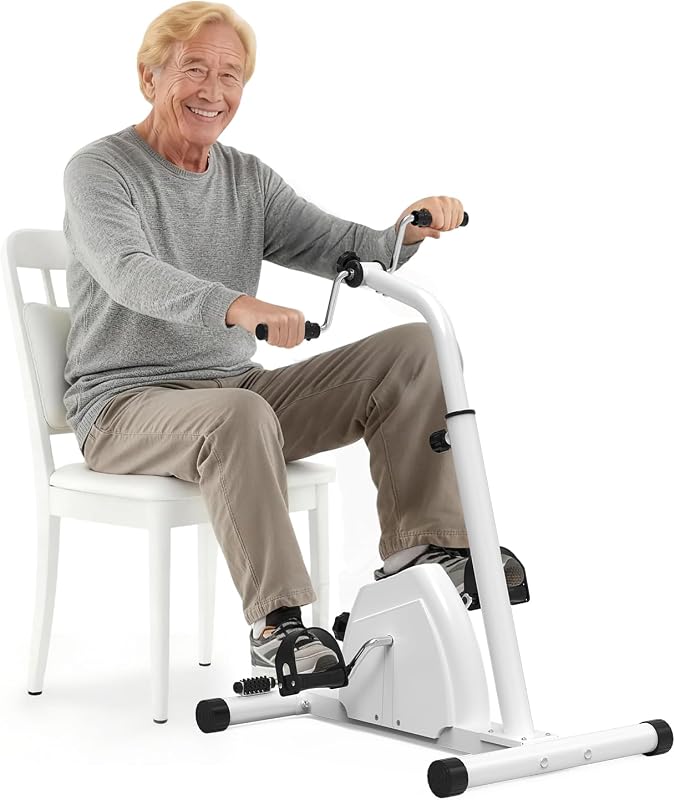
Exercise bikes can support stroke rehabilitation by helping patients practice repetitive leg movements, improve physical endurance, and gradually rebuild lower-body strength. Depending on an individual’s abilities, stationary bikes and specialized rehabilitation cycles may provide controlled exercise in a seated position. The appropriate equipment depends on mobility, balance, muscle weakness, and the stage of recovery.
Several features are important when evaluating exercise bikes for stroke rehabilitation. Adjustable resistance allows exercise intensity to be modified gradually, while a stable frame and supportive seating improve positioning. Recumbent designs provide back support and easier access for some users. Pedal straps, adjustable seat height, accessible controls, and emergency stopping features can also improve usability. Motor-assisted cycling devices may help patients with limited voluntary movement under professional supervision.
Safety and individualized rehabilitation planning are essential. Consult a physiotherapist or rehabilitation specialist before selecting equipment or beginning exercise. Patients with significant weakness, balance difficulties, or impaired sensation may require direct supervision. Begin with professionally recommended activity levels and monitor for unusual fatigue, dizziness, chest discomfort, or worsening neurological symptoms. Sudden stroke symptoms require immediate emergency medical attention.
5 Best Exercise Bikes For Stroke Patient
| Image | Title | Best For | Link |
|---|---|---|---|
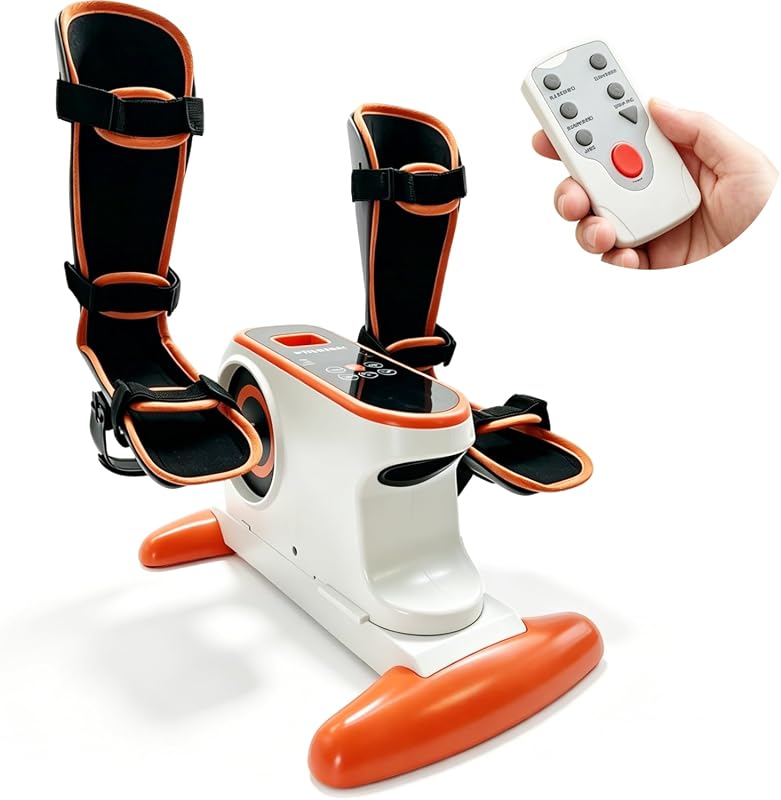 |
PHYCISER Electric Pedal Exercise Bike | The phyciser electric pedal exercise bike with leg support, motorized rehab equipment for senio… more | View on Amazon |
 |
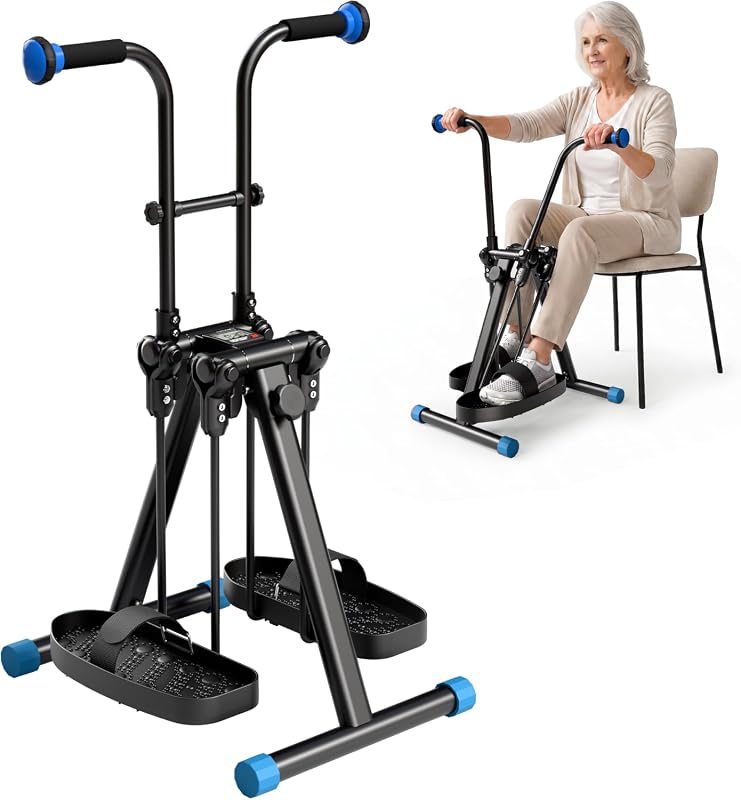
Pedal Exerciser Bike for Seniors | The premium pedal exerciser bike for seniors, total body physical therapy trainer for upper and… more | View on Amazon |
 |
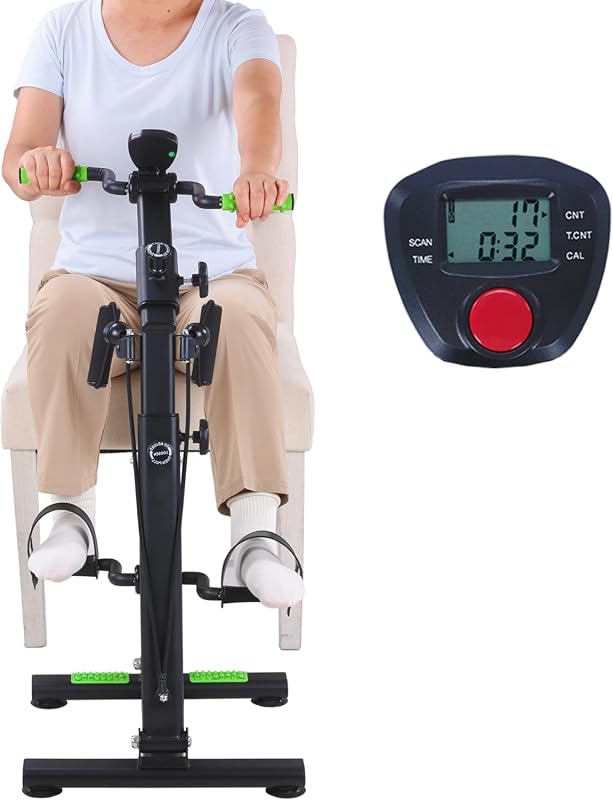
Low Impact Seated Pedal Exerciser | The low impact seated pedal exerciser bike for seniors, total body home workout machine for arm… more | View on Amazon |
|
HOMGIM 2-in-1 Pedal Exerciser | The homgim 2-in-1 adjustable resistance pedal exerciser for arms and legs, portable under desk… more | View on Amazon |
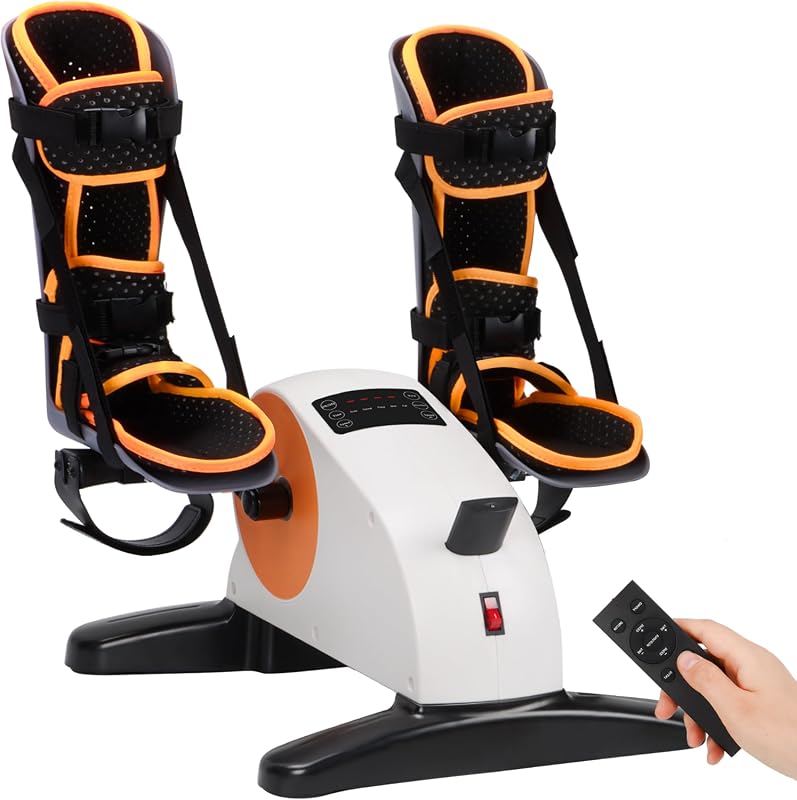 |
Motorized Pedal Exerciser for Seniors | The motorized electric pedal exerciser for seniors with leg support, low impact physical therap… more | View on Amazon |
Our Top 5 Best Exercise Bikes For Stroke Patient Reviews – Expert Tested & Recommended
🏆 Best Choice
1. PHYCISER Electric Pedal Exercise Bike
The PHYCISER Electric Pedal Exercise Bike is specifically engineered for post-stroke rehabilitation, offering motorized assistance and specialized leg supports. It helps users safely rebuild muscle memory and maintain joint flexibility from the comfort of an armchair or wheelchair.
Key Features That Stand Out
- ✓ 2-in-1 arm and leg exerciser for versatile upper and lower body therapy.
- ✓ Professional high-calf leg supports to ensure total stability during rotation.
- ✓ Intelligent Anti-Spasm safety system that automatically pauses on excessive resistance.
- ✓ Motorized pedal action designed to improve blood circulation and reduce stiffness.
Why We Recommend It
We recommend this model because its motorized assist and anti-spasm technology make it exceptionally safe for individuals with limited initial leg strength following a stroke. The secure leg supports prevent slipping, giving users peace of mind during therapy sessions.
Best For
Best for early-stage stroke recovery patients who require passive, motorized movement and extra calf support.
Pros and Cons at a Glance
⭐ Editor’s Choice
2. Premium Pedal Exerciser Bike for Seniors
This premium total body physical therapy trainer offers exceptional versatility for upper and lower limb rehabilitation. Featuring adjustable height settings and integrated resistance bands, it caters perfectly to users recovering from strokes or managing muscle weakness.
Key Features That Stand Out
- ✓ Full-body workout capability targeting arms, legs, and core muscles.
- ✓ 5-level height adjustment ranging from 31 to 43 inches for customized positioning.
- ✓ Integrated resistance bands for comprehensive upper limb strengthening.
- ✓ Sturdy base design to prevent tipping during active therapy sessions.
Why We Recommend It
We love this trainer because its height adjustability and upright structure allow users to exercise comfortably from a standard chair or wheelchair. It provides a holistic approach to physical therapy by engaging both the upper and lower body simultaneously.
Best For
Best for stroke survivors looking for a comprehensive upper and lower body physical therapy station with adjustable height.
Pros and Cons at a Glance
💰 Best Budget
3. Low Impact Seated Pedal Exerciser
The Low Impact Seated Pedal Exerciser is an affordable and practical home workout machine designed for arms and legs. It allows users with muscle weakness to engage in safe cross-body movements while seated comfortably.
Key Features That Stand Out
- ✓ Total body movement supporting arms, elbows, knees, and legs.
- ✓ Built-in LCD digital display tracking time, distance, count, and calories.
- ✓ Compact and lightweight design for easy placement in any room.
- ✓ Simple one-button operation to cycle through workout metrics.
Why We Recommend It
This model provides exceptional value for money without sacrificing essential rehabilitation features. Its clear digital monitor helps patients track their daily progress, keeping them motivated throughout their recovery journey.
Best For
Best for budget-conscious stroke survivors needing a reliable, straightforward tool for daily seated arm and leg exercises.
Pros and Cons at a Glance
4. HOMGIM 2-in-1 Pedal Exerciser
The HOMGIM 2-in-1 Adjustable Resistance Pedal Exerciser is a portable under-desk rehab bike designed for flexible arm and leg recovery. Its adjustable resistance lets users gradually increase workout intensity as strength improves.
Key Features That Stand Out
- ✓ Dual-function design for floor-based leg recovery or tabletop arm therapy.
- ✓ Low-impact movement that promotes blood circulation and joint mobility.
- ✓ Easily adjustable resistance tension knob for progressive strengthening.
- ✓ Portable and compact structure that fits effortlessly under tables or desks.
Why We Recommend It
We appreciate its dual versatility and compact footprint. Whether placed on the floor for knee rehabilitation or on a table for shoulder and arm mobility, it adapts seamlessly to daily therapy needs.
Best For
Best for active stroke patients looking for a portable, adjustable-resistance trainer for both upper and lower body use.
Pros and Cons at a Glance
5. Motorized Pedal Exerciser for Seniors
The Motorized Electric Pedal Exerciser combines leg support with 12-speed assisted pedaling to deliver low-impact physical therapy. It comes equipped with a handheld remote control, making it convenient to adjust settings without bending over.
Key Features That Stand Out
- ✓ 12-speed motorized electric assistance for gentle arm and leg rehabilitation.
- ✓ Handheld remote control for effortless speed and program adjustments.
- ✓ Multifunction LCD screen tracking time, speed, distance, and calories.
- ✓ Compact, lightweight build weighing only 10 pounds for simple portability.
Why We Recommend It
We love the inclusion of the handheld remote control, which eliminates the need to bend down to adjust speeds—an important safety benefit for stroke survivors with balance concerns.
Best For
Best for users wanting remote-controlled motorized assistance and lightweight portability for home therapy.
Pros and Cons at a Glance
Complete Buying Guide for Best Exercise Bikes For Stroke Patient
Essential Factors We Consider
When searching for the right rehabilitation bike after a stroke, safety and stability are paramount. We evaluate whether the machine offers motorized passive assistance for immobile limbs or manual adjustable resistance for strengthening. Features like secure foot straps, calf supports, and anti-spasm sensors are critical to prevent injury and ensure comfortable daily therapy.
Budget Planning
Rehab bikes range from simple manual tabletop peddlers costing around fifty dollars to advanced motorized electric units with remote controls and safety sensors priced higher. Assess your physical therapy stage and consult your doctor to determine whether a basic manual model or a motorized assistive bike is worth the investment for your recovery.
Final Thoughts
Choosing the best exercise bike for stroke rehabilitation is an empowering step toward regaining strength, mobility, and confidence. By selecting a machine that matches your current physical capabilities and comfort needs, you can maintain a consistent, safe home therapy routine that supports your long-term recovery goals.
Frequently Asked Questions
Q: Can exercise bikes help with stroke recovery?
A: Yes, low-impact exercise bikes improve blood circulation, stimulate muscle memory, reduce joint stiffness, and help rebuild strength in both upper and lower limbs following a stroke.
Q: Are motorized exercise bikes better than manual ones for stroke patients?
A: Motorized bikes are generally recommended for early-stage recovery when limbs are weak or paralyzed, as they provide passive movement. Manual resistance bikes are better suited once the patient has regained active muscle control and strength.
Q: Can I use these pedal exercisers while sitting in a wheelchair?
A: Most compact pedal exercisers and motorized rehab bikes are specifically designed to be used while sitting in a standard armchair, sofa, or wheelchair.
Q: How long should a stroke patient use an exercise bike each day?
A: Always consult your physical therapist or physician before starting a routine. Typically, short, frequent sessions lasting 10 to 15 minutes, multiple times a day, are recommended to avoid overexertion.