

Best Wattage For Outdoor Garage Lights: 2026 Buyers Guide
Get the best wattage for outdoor garage lights, with simple tips on lumens, safety, and energy savings so your entry stays bright and efficient.
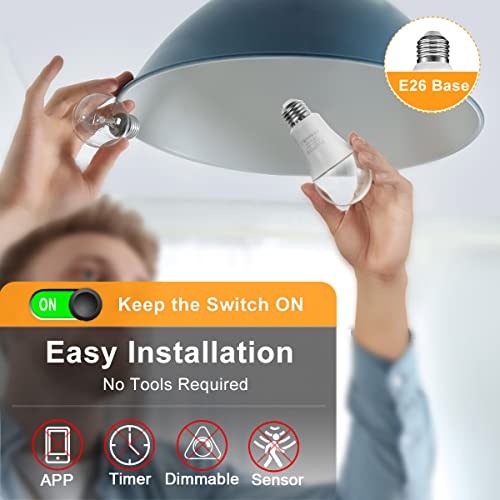
Best wattage for outdoor garage lights: 10–20W LED per fixture for most homes.
You pull into the driveway after dark. Your garage area feels dim, and those old bulbs chew power like candy. You want a bright, safe, and efficient setup, but wattage is confusing. How bright is bright enough? Do you need 60W, 100W, or a high-output LED? In this guide, I break down the best wattage for outdoor garage lights in plain English. I also review top dusk-to-dawn bulbs that make life easier. I’ll help you pick the right lumen level, color temperature, and sensor features, so your driveway, porch, and garage can shine without glare or wasted energy.
ProPOW Dusk-to-Dawn A19 LED, 300 lm (2-Pack)

This two-pack from ProPOW is a simple dusk-to-dawn swap for small porches, side doors, or compact garage eaves. Despite the listing’s “25 Watt” note, the lamp itself runs at about 3W LED and outputs around 300 lumens. That level is ideal for accent light, address visibility, and light markers near a door. It turns on at dusk and off at dawn, so you never touch a switch.
Use it where you want soft, steady glow instead of full security brightness. The soft white tone is easy on the eyes and adds a warm look to trim or brick. It also helps you avoid harsh glare on glossy doors. If you only need a low level light to guide steps or show the keyhole, this little bulb does that well.
Pros:
- Very low energy draw for all-night runtime
- Built-in dusk-to-dawn sensor for hands-off use
- Soft white color is cozy and welcoming
- Great for accent spots and small porches
- Budget-friendly two-pack for entryways
Cons:
- 300 lumens is too dim for wide driveways
- Not ideal as a sole security light
- “25 Watt” in the title may confuse wattage expectations
My Recommendation
Pick this ProPOW pair if you want minimal light that runs all night with almost no power cost. It suits homeowners who need markers at the garage corners or a gentle porch glow. For the best wattage for outdoor garage lights in small spaces, a 3–5W LED can be enough when paired with another brighter light nearby. If you need task or security coverage, plan to add a brighter lamp over the driveway or integrate a motion sensor unit.
| Best for | Why |
|---|---|
| Accent or step lighting | Low-glare 300 lm guides paths without harshness |
| All-night marker lights | 3W LED keeps power costs tiny while always on |
| Warm porch ambience | Soft white tone flatters siding and trim |
Eastiya 13W Dusk-to-Dawn A19, 1200 lm (4-Pack)

Eastiya’s 13W LED delivers about 1200 lumens, which is a strong level for single-fixture garage doors, side yards, and mid-length driveways. The daylight 5000K color cuts through the dark and helps your eyes pick up detail. With a built-in photocell, it flips on at dusk and off at dawn. That means you get reliable light without timers or smart switches.
I like 10–15W LED for most home garages, since it hits that sweet spot of bright but not brutal. If you have one lantern on each side of a double garage, two of these bulbs give even spread and plenty of visibility. The four-pack is handy if you have front, side, and back entries to cover at the same time.
Pros:
- 1200 lumens is bright for standard garage lanterns
- Daylight 5000K helps with color and detail at night
- Dusk-to-dawn sensor works out of the box
- Good balance of brightness and efficiency at 13W
- Four-pack value for multi-point coverage
Cons:
- 5000K can look cool on some warm-toned homes
- May be overkill for tight porches or small alcoves
- Photocell can false-trigger if exposed to other lights
My Recommendation
This bulb fits most homes that want strong, clear light without high power use. If you have one fixture per garage door, 13W LED is often the best wattage for outdoor garage lights in that range. It covers entry tasks, basic security, and driving guidance well. If you prefer warmer color, pair daylight in the driveway with warm bulbs by the front door.
| Best for | Why |
|---|---|
| Single-fixture garages | 1200 lm brightens drive and door area |
| Double-door setups | Two bulbs give even, high-clarity coverage |
| Low-maintenance lighting | Dusk-to-dawn sensor handles on/off |
SETEN 10W Dusk-to-Dawn A19, 1100 lm (4-Pack)

This SETEN bulb lands at 10W with about 1100 lumens in a cool 5000K color. It’s another great pick for typical wall lanterns and coach lights by the garage. The sensor automates the schedule, which helps if you travel or forget the switch. The output is high enough for wider driveways without jumping to floodlight territory.
For many homes, 10W LED is the best wattage for outdoor garage lights when you want a blend of brightness and savings. It offers good reach and detail at night. The four-pack gives you coverage for garage sides, a side door, and a back patio. Use these where you need clear, crisp light and a low fuss install.
Pros:
- Strong 1100 lumens for most garage areas
- 10W LED keeps bills low
- Photocell sensor for hands-free control
- Daylight tone aids night visibility
- Good value in a multi-bulb pack
Cons:
- Cool color can feel stark near warm entry lighting
- Not dimmable; always full brightness at night
- May attract more insects than warmer tones
My Recommendation
Choose SETEN if you want bright light that is still efficient and looks clean at night. It hits the best wattage for outdoor garage lights for most cases and avoids glare if your fixture has a diffuser. If your driveway is long, supplement with a motion flood further out. That way you keep the wall lights moderate and only spike brightness when needed.
| Best for | Why |
|---|---|
| Everyday driveway use | 10W LED offers strong but efficient light |
| Sensor convenience | Dusk-to-dawn means no timers |
| Balanced brightness | 1100 lm works for most garage facades |
Upgraded LED Garage Light, 400W Eq, 6500K

This “garage light” is the multi-panel style often used in workshops, barns, or large storage areas. It screws into a standard E26/E27 socket and spreads light with fold-out panels. The output is very high and lands in the super-bright category, often equivalent to several standard bulbs. At 6500K, the light is cool and crisp for task detail.
I treat this as a task area light, not a typical wall lantern bulb. It shines best in covered spaces like carports, tall garages, or barn overhangs where weather is blocked. If you have a deep carport or workshop attached to your garage, this can flood the space and remove shadows that hide tools, steps, and cords.
Pros:
- Huge light output for large spaces
- Adjustable panels aim light where needed
- Great for carports, barns, and tall ceilings
- Instant-on LED for crisp task visibility
- Simple screw-in install
Cons:
- Often not weatherproof; needs covered fixture or area
- Very cool color is not cozy for front-of-home lighting
- Overkill for small porches or single garage doors
My Recommendation
Use this for large, covered work areas where you need the most light. It is not the best wattage for outdoor garage lights on the front of a home. But it is perfect for a big carport or barn bay where safety and detail matter. Add motion control if you only need bursts of brightness while moving around vehicles or gear.
| Best for | Why |
|---|---|
| Carports and barns | Massive output removes shadows and dark corners |
| Work tasks and projects | Cool 6500K boosts contrast and detail |
| Tall, covered ceilings | Panels spread light wide from a single socket |
TORCHSTAR Dusk-to-Dawn A19, 2700K (4-Pack)

TORCHSTAR’s sensor bulb leans warm at 2700K. This is the look many homeowners love for porches and classic coach lights. It offers an automatic dusk-to-dawn switch, which is great for set-and-forget use. The glow is gentle and friendly, which can lift curb appeal while still adding safety.
Pair warm bulbs near the front door with a brighter, cooler bulb by the driveway if you want a balanced setup. Warm light can reduce glare and harsh shadows on textured walls. It also attracts fewer insects than cooler tones. This set is a smart choice if you want your garage area to match your porch lighting style.
Pros:
- Warm 2700K color for inviting curb appeal
- Dusk-to-dawn sensor built in
- Great for coach lights and entry lanterns
- Gentler on eyes compared to 5000K
- Four bulbs cover multiple entry points
Cons:
- Warm color can feel less bright at equal lumens
- Not the best for detail work at night
- May need a second, brighter fixture for driveway reach
My Recommendation
Choose TORCHSTAR if style and comfort matter most near the garage entry. For many homes, the best wattage for outdoor garage lights blends looks and function. Use warm bulbs at the door and a brighter daylight bulb for the driveway lane. That way, you get charm where you walk and power where you park.
| Best for | Why |
|---|---|
| Porch and coach lights | 2700K feels cozy and classic |
| All-night glow | Sensor runs the schedule |
| Match warm interior lighting | Seamless look from inside to out |
How to choose the best wattage for outdoor garage lights
I get this ask a lot. Wattage used to mean brightness. With LED, wattage shows power use, not output. Lumens measure brightness. That switch trips up many shoppers. To pick the best wattage for outdoor garage lights, start with lumens first, then check watts for energy costs.
For most homes, aim for 800–1600 lumens per wall fixture. That equals about 8–15W LED today. One light on each side of a double garage often looks great at 1000–1200 lumens per side. If you only have one fixture in the center, go brighter at 1200–1600 lumens. That keeps the driveway clear and the steps safe.
Foot-candle goals made simple
Industry guides suggest about 1–5 foot-candles for driveways and garage entries. One foot-candle is one lumen per square foot. You do not need to do a full math model for a home. But this helps check your plan. If your driveway area is about 400 square feet and you want roughly 2 foot-candles near the garage face, you are looking for 800 lumens in that zone. Add more where you work, and less where you only pass by.
Mount height and beam shape
The higher the light, the more spread and the more lumens you need. Typical coach lights sit at 6–7 feet. That height pairs well with 800–1200 lumens. At 9–12 feet, add brightness or use a fixture that throws light down and out. A clear glass lantern spits light in all directions. A downlight style sends light where you need it. That reduces glare and light trespass.
Color temperature and clarity
Color temp shapes how bright a space feels. Daylight (5000K) looks crisp and helps with detail. Warm white (2700–3000K) looks soft and calm. Both can be great by a garage. I often match warm near the door and daylight toward the drive. That mix gives charm and safe parking. Your eye adapts fast, so keep zones consistent to avoid harsh jumps.
Sensor choices: dusk-to-dawn vs motion
Dusk-to-dawn keeps light on all night. Motion saves energy and pops on when you arrive. You can blend both. Use dusk-to-dawn at a low to mid brightness by the door. Add a motion flood further out. That way, you get easy wayfinding and a burst of power only when needed.
Dark-sky and neighbor friendly tips
Glare helps no one. Aim light down. Use fixtures with shields, caps, or frosted glass. Skip naked clear bulbs that face the street. Keep lumens tight to your task. The best wattage for outdoor garage lights makes your area safe without washing a bedroom window next door. Good light is about control, not raw power.
IP rating and weather notes
Bulbs sit inside fixtures. Fixtures do the weather work. If you have a wet location, make sure the fixture is wet-rated and sealed. Some high-output “garage” lamps are meant for dry areas only. Use them under cover only. Always check the fixture’s limits for wattage and temperature. That protects wiring and finish.
Energy and costs you can expect
Run a 10W LED dusk-to-dawn about 12 hours per night. That’s 120 watt-hours per day. At a $0.15/kWh rate, it costs about $0.54 per month. A 13W bulb is about $0.70 per month. That is a tiny price for safety and comfort. This is why 10–15W LED is the best wattage for outdoor garage lights for most homes today.
When to go bigger
Go higher if your driveway is wide, or if you mount the light high. If you host outdoor projects by the garage, you also need more light. In those cases, use a motion flood or a multi-head light. Keep wall lanterns in the 8–15W LED zone, and let a motion unit handle the big bursts when you need them.
Quick wattage-to-lumen cheat sheet
- 5–7W LED: 450–700 lumens (small porches, markers)
- 8–10W LED: 800–1100 lumens (typical garage lanterns)
- 11–15W LED: 1100–1600 lumens (bright single fixture or wider drive)
- 20W+ LED: 2000+ lumens (motion floods, large areas)
Use these ranges to pick the best wattage for outdoor garage lights at your home. Then tune color and sensor choices to your taste.
Placement tips that boost real-world results
Symmetry helps. If you have two lanterns, mount them at the same height and distance from each door edge. Keep bulb output matched. That evens out shadows and looks clean from the street. If you only have one center fixture, pick a higher lumen bulb and a frosted lens to cut glare.
Use a downlight near the garage keypad. That keeps codes private and your fingers in view. If you add a motion light, place it where it will not blind you as you pull in. Aim it a bit outward and downward. That throws light on the pavement where your tires and feet will land.
Common mistakes to avoid
- Buying by watts, not lumens. With LED, lumens rule brightness.
- Picking bulbs too cool or too warm for the siding tone.
- Forgetting weather ratings for exposed locations.
- Mounting sensors where they see other lights and false-trigger.
- Using clear glass with a naked high-lumen bulb that glares.
Budget planning and value
A good dusk-to-dawn bulb costs less than a takeout lunch. The monthly run cost is low. The big win is less fuss and better safety. When you calculate cost, include your time and peace of mind. Sensor bulbs earn their keep fast. That is why I often suggest a 10–13W LED as the best wattage for outdoor garage lights on a value per lumen basis.
Smart home and controls
Many dusk-to-dawn bulbs play fine with standard switches. If you use a smart switch, leave it on so the bulb’s sensor can work. Some smart bulbs do their own schedules. Decide which device is the “brain.” Avoid double logic. For a simple life, a basic sensor bulb plus a regular switch is hard to beat.
Maintenance and lifespan
LED bulbs can last years. Heat shortens life. Keep fixtures clean and vents clear. Wipe dust from lenses once a season to maintain output. If a sensor bulb acts odd, power cycle it and make sure no nearby light shines on its photocell. Small steps keep your lighting steady and bright.
Safety and code basics
Use bulbs that match your fixture ratings. Check for UL, ETL, or similar marks. In garages and carports, look at local codes for lighting and GFCI outlets. Good light helps you avoid trips, bumps, and fender scrapes. Choose the best wattage for outdoor garage lights that serves tasks first, then layer in style.
Environmental and neighbor care
Point light where you need it. Shield it from the sky. This protects the night and the view of stars. It also helps neighbors sleep. Warmer tones near bedrooms are a kind touch. Smart control and good optics can cut waste without cutting safety.
FAQs Of best wattage for outdoor garage lights
What is the best wattage for outdoor garage lights for most homes?
For most homes, 10–15W LED per wall fixture is ideal. That gives 800–1600 lumens, which covers driveways and doors well.
How many lumens do I need for a single garage door?
Plan for 1000–1500 lumens if you have one center light. Use two 800–1200 lumen fixtures for even spread on a double door.
Should I choose warm or daylight for garage lights?
Pick daylight (5000K) for detail and visibility. Pick warm (2700–3000K) for cozy looks. Many homes mix warm at the door and daylight at the drive.
Are dusk-to-dawn bulbs better than motion lights?
They serve different needs. Dusk-to-dawn gives constant low to mid light. Motion lights give short bursts of higher light for security or arrivals.
Will higher wattage always be better outdoors?
No. Too bright can cause glare and light trespass. Choose lumens to fit the area, height, and task. Control is key.
Final Verdict: Which Should You Buy?
If you want one-and-done brightness for most garages, pick Eastiya 13W or SETEN 10W. Both hit the best wattage for outdoor garage lights in typical wall fixtures. They balance clarity and cost.
Love warm curb appeal? Choose TORCHSTAR near doors and add a brighter daylight bulb by the driveway. Need big covered-area light? The Upgraded LED Garage Light is your task beast.