

Anker 757 vs 767 [Which Powerhouse Fits for You]
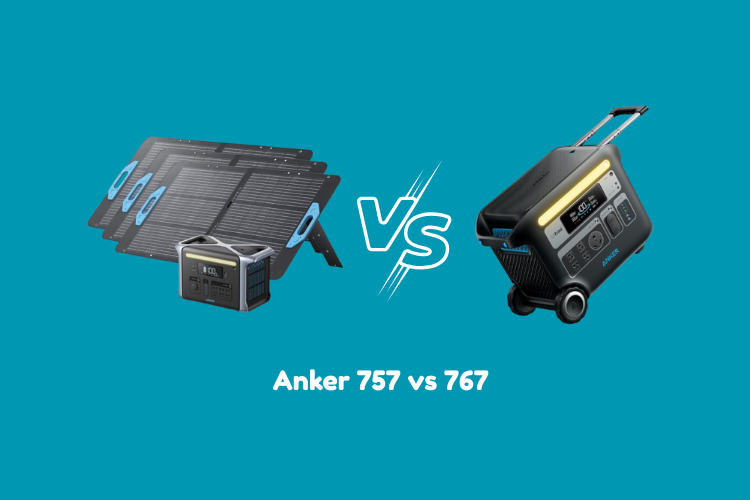
Anker has built a strong name in portable power solutions, and the 757 and 767 models stand among their most powerful stations. Both deliver impressive capacity, fast charging, and solid build quality, but each suits a different type of user.
The Anker 757 is perfect for reliable backup during short trips or outages, while the 767 caters to those who need extended power for RVs, camping, or work on the go.
These power stations share advanced battery technology and multiple charging ports, yet they differ in performance, portability, and overall value. Understanding what sets them apart helps you choose the model that fits your lifestyle and energy demands.
This detailed comparison of the Anker 757 vs 767 highlights their design, features, and real-world performance to help you decide which one deserves a place in your setup.
Anker 757 vs Anker 767
Portable power stations have become essential for outdoor lovers, homeowners, and travelers. The Anker 757 and Anker 767 are two popular models designed to keep your devices powered anywhere.
Both are strong, durable, and long-lasting, but they serve slightly different needs. Let’s explore both in detail and see which one suits you better.
Anker 757 Power Station

Product Details
The Anker 757 PowerHouse delivers 1500 watts of power with a 1229Wh battery capacity. It runs on solar or electric power, weighs about 28.88 pounds, and operates at 110 volts. This model includes solar panels, making it ideal for those who spend time off-grid or enjoy camping trips.
Features
- Long-Lasting Battery: Uses LiFePO4 batteries and InfiniPower technology for a 10-year lifespan.
- Fast Solar Charging: Reaches 80% charge in about 3.6 hours with direct sunlight.
- Durable Design: Impact-resistant build with smart temperature control.
- Multiple Ports: Includes 13 ports—6 AC, 4 USB-A, 2 USB-C, and 1 car outlet.
- Fast USB-C Charging: The 100W USB-C port can quickly charge laptops and other devices.
- Warranty: Backed by a 5-year full-device warranty and 18 months on solar panels.
What Is the Good?
The Anker 757 stands out for its strong build and long life. The solar charging feature makes it a reliable option during power outages or camping trips. It can handle small appliances like coffee makers, mini-fridges, and electric grills. Its lightweight design adds to the convenience.
What Is the Bad?
The 757 PowerHouse, while efficient, has limited power for larger devices. It may struggle to run heavy equipment for long periods. The fan can get loud under high load, and the solar panels require full sunlight for best results.
Overall Opinion
The Anker 757 PowerHouse is great for moderate users who need portable power for home backup, travel, or outdoor events. It’s strong, simple to use, and durable enough to last for years. For most users, it delivers a balanced mix of performance and portability.
Anker 767 Power Station

Product Details
The Anker 767 is a high-capacity power station that delivers 2400 watts and a 2048Wh battery. It supports both solar and battery power sources.
Weighing around 67.3 pounds, it’s heavier but also more powerful. Designed for home, RVs, and large appliances, it provides 120 volts of output.
Features
- Powerful Output: Delivers 2400W with SurgePad technology, allowing temporary surges up to 3600W.
- Rapid Charging: HyperFlash technology charges the station from 0% to 80% in 1.4 hours.
- Multiple Ports: Supports up to 12 devices at once. It includes 4 AC ports, 3 USB-C, 2 USB-A, 2 car outlets, and a dedicated RV port.
- Long Life Battery: Like the 757, it uses InfiniPower and LiFePO4 batteries for a 10-year lifespan.
- Smart Power Management: Built for heavy power needs like fridges, power tools, or home backup.
- Warranty: Covered with a 5-year full-device warranty.
What Is the Good?
The 767 is powerful enough to handle demanding tasks. The rapid charging saves hours of waiting time. It can power high-wattage devices without risk of overload. The design supports outdoor adventures and home emergencies alike.
What Is the Bad?
Its main drawback is weight. At over 67 pounds, it’s not easy to move around. The price is also higher compared to the 757. For users with simple needs, its large capacity might be more than necessary.
Overall Opinion
The Anker 767 is ideal for heavy users who need serious power. It’s perfect for camping vans, outdoor jobs, or as an emergency power source for the home. Its advanced features make it one of the most powerful portable stations in its class.
Detailed Comparison for Anker 757 vs 767
The Anker 757 and 767 share similar build quality and technology, but they target different needs. The 757 offers 1229Wh capacity with 1500W output, suitable for small and mid-sized devices.
The 767 doubles the power to 2400W and increases the battery capacity to 2048Wh, making it better for power-hungry users.
Charging speed also differs. The 757’s solar system reaches 80% in 3.6 hours, while the 767’s HyperFlash tech achieves 80% in just 1.4 hours using AC power. Port selection favors the 767, with an extra RV port and more USB-C slots.
Portability is where the 757 wins. It’s lighter and easier to carry for daily use. The 767’s large size suits those who need backup for several devices or appliances. Both use LiFePO4 batteries, ensuring safety and long life.
In short, the 757 fits travelers and light users. The 767 fits professionals and home users who want strong, long-lasting energy backup.
FAQs
1. Can both models charge with solar panels?
Yes, both support solar charging, though the 757 includes panels in some bundles.
2. Which one charges faster?
The Anker 767 charges faster with HyperFlash, reaching 80% in about 1.4 hours.
3. Can these power stations run a refrigerator?
Yes, both can handle small fridges. The 767 can also run larger home refrigerators.
4. How long do the batteries last?
Both use LiFePO4 batteries that can last up to 10 years with daily use.
5. Is the 767 too heavy to carry?
It’s heavier than the 757, but still portable. Wheels and handles help move it easily.
Conclusion
Both models stand strong in performance and quality. The Anker 757 is a lighter, practical choice for travelers and light power users. The Anker 767, on the other hand, is built for those who need more energy, faster charging, and the ability to power multiple large devices.
Between the two, your choice depends on power needs. The 757 suits mobility. The 767 suits endurance and high demand. Both promise reliability and a decade of power you can trust.